
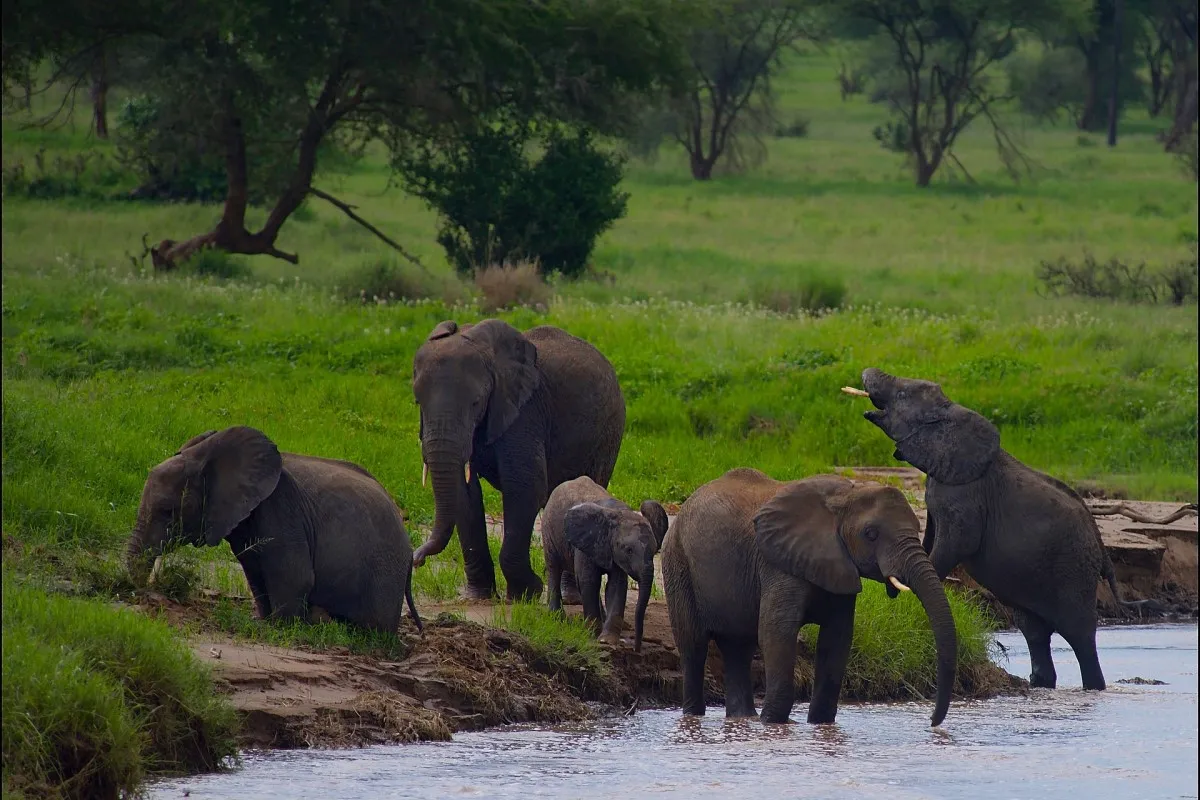
Tarangire National Park is one of Tanzania’s most rewarding safari destinations, offering spectacular wildlife, breathtaking landscapes, and a quieter atmosphere than many of the country’s larger parks. Located just a two-hour drive from Arusha, Tarangire is often the first stop on Tanzania’s famous Northern Safari Circuit and provides an unforgettable introduction to the African wilderness.
Named after the Tarangire River, which flows through the park year-round, this remarkable reserve covers approximately 2,850 square kilometres of rolling savannah, ancient baobab trees, seasonal swamps, and river valleys. During the dry season, the river becomes the primary source of water for wildlife, attracting thousands of animals from surrounding areas and creating one of the highest concentrations of wildlife in Tanzania.
Whether you are planning your first safari, a family holiday, honeymoon, or photography adventure, Tarangire National Park offers authentic wildlife experiences in a peaceful and scenic setting.
Why Visit Tarangire National Park?
Although Serengeti and Ngorongoro often receive most of the attention, Tarangire has earned a reputation among experienced safari travellers as one of Tanzania’s best-kept secrets. Its remarkable landscapes, abundant wildlife, and fewer visitors create a more intimate safari experience.
The park is especially famous for its enormous elephant population. Watching large family herds walk beneath giant baobab trees or gather along the Tarangire River is one of the park’s most memorable sights. During the dry season, wildlife viewing becomes exceptional as animals congregate around permanent water sources, providing excellent opportunities to observe natural behaviour.
Tarangire is also a paradise for photographers, thanks to its dramatic scenery, golden light, and impressive variety of wildlife throughout the year.
Wildlife in Tarangire National Park
Tarangire supports an incredible diversity of wildlife and is home to some of the largest elephant herds in East Africa. Visitors often encounter elephants travelling in family groups, while lions can frequently be seen resting beneath acacia trees or searching for prey across the open plains.
Leopards occasionally appear in the riverine forests, and cheetahs may be spotted in the more open grasslands. Other commonly seen animals include giraffes, zebras, wildebeest, buffaloes, impalas, waterbucks, warthogs, and several species of antelope.
One of Tarangire’s unique attractions is the presence of animals that are less common in other northern Tanzanian parks, including fringe-eared oryx and the long-necked gerenuk, which is famous for standing on its hind legs to browse leaves from shrubs.
The park is equally impressive for bird lovers. More than 500 bird species have been recorded, making Tarangire one of Tanzania’s premier birdwatching destinations. Colourful kingfishers, hornbills, bee-eaters, fish eagles, ostriches, and numerous migratory birds can all be seen throughout the year.
The Famous Baobab Trees
One of Tarangire’s defining features is its magnificent baobab trees. These ancient giants dominate the landscape, with some estimated to be hundreds or even thousands of years old. Their enormous trunks and unusual shapes have earned them the nickname “The Tree of Life.”
During the dry season, elephants often strip the bark from baobabs to access the moisture stored inside, demonstrating the remarkable relationship between wildlife and the park’s unique ecosystem. These iconic trees also create some of the most recognisable and photogenic landscapes in Tanzania.
Best Time to Visit
Tarangire National Park can be visited throughout the year, but each season offers a different experience.
The dry season, from June to October, is widely regarded as the best time for wildlife viewing. As water becomes scarce across the surrounding ecosystem, thousands of animals migrate into the park to drink from the Tarangire River. This creates spectacular game viewing with excellent opportunities to observe elephants, predators, and large mixed herds in relatively small areas.
The green season, from November to May, transforms the park into a lush landscape filled with vibrant vegetation and dramatic skies. This is an excellent time for birdwatching, photography, and travellers seeking a quieter safari with fewer visitors. Many animals remain within the park year-round, ensuring rewarding wildlife encounters even outside the peak season.
Safari Experiences
Game drives remain the highlight of every visit to Tarangire National Park. Early morning safaris often reveal predators returning from night hunts, while late afternoon drives provide beautiful lighting for wildlife photography as animals become active again.
Many itineraries combine Tarangire with nearby destinations such as Lake Manyara National Park, Ngorongoro Crater, and Serengeti National Park, creating a diverse safari experience that showcases Tanzania’s extraordinary natural beauty.
Depending on your itinerary, cultural visits to nearby Maasai communities can also be arranged, allowing visitors to learn about traditional lifestyles and the rich heritage of northern Tanzania.
Getting to Tarangire National Park
Tarangire National Park is conveniently located approximately 120 kilometres southwest of Arusha, making it one of the easiest national parks to reach in Tanzania. Most visitors travel by road as part of the Northern Safari Circuit, enjoying scenic countryside views along the journey.
For travellers with limited time, charter flights are also available to nearby airstrips, allowing easy connections with other national parks and Zanzibar.
Its accessibility makes Tarangire an excellent choice for both short safaris and longer wildlife adventures.
Accommodation
Tarangire offers a wide selection of accommodation to suit every travel style, from luxury safari lodges overlooking the river to comfortable tented camps that provide an authentic bush experience.
Many lodges are located in prime wildlife viewing areas, allowing guests to observe elephants, giraffes, and other animals directly from their rooms or viewing decks. Whether you are looking for a romantic honeymoon retreat, a family-friendly lodge, or a budget-conscious safari camp, Tarangire offers accommodation that combines comfort with unforgettable surroundings.
Travel Tips
Comfortable, lightweight clothing in neutral colours is ideal for safari activities. Early mornings can be cool, so a light jacket is recommended. Bringing binoculars, sunscreen, a camera, and a reusable water bottle will help you make the most of your safari experience.
As with all Tanzanian national parks, visitors should follow the guidance of their professional safari guide and respect wildlife by observing animals from a safe distance.
Why Choose Skylark Expeditions?
At Skylark Expeditions, we specialise in creating personalised Tanzania safaris that combine comfort, adventure, and authentic local experiences. Our knowledgeable guides understand Tarangire National Park’s wildlife patterns and know where to find the park’s most impressive elephant herds, predators, and seasonal wildlife concentrations.
From carefully selected accommodation to expertly planned itineraries, every safari is designed around your interests, travel style, and budget. Whether you are planning a one-day safari or a multi-day journey through Tanzania’s Northern Circuit, our team is committed to delivering an unforgettable African adventure.
Plan Your Tarangire Safari
Tarangire National Park is a destination that surprises and delights every visitor. Its ancient baobab trees, abundant wildlife, peaceful atmosphere, and spectacular elephant herds create a safari experience unlike any other in Tanzania.
Whether you are visiting as part of a longer safari or looking for an unforgettable wildlife escape close to Arusha, Tarangire offers exceptional game viewing in one of Africa’s most beautiful landscapes.
Contact Skylark Expeditions today to begin planning your personalised Tarangire National Park safari and discover one of Tanzania’s most remarkable wildlife destinations.